
 Skip to content
 Warm roofs put the insulation on top of the deck, under the waterproofing. That keeps the whole roof warm, not just the room. You get lower heating bills and no hidden condensation rotting the timber. Flat roofs should be built this way today. And that is how we build them.
50+
years
Fully insured
Guild of Master Craftsmen
4.9 ★
rating
Request A Quote
Get the contact details you need to connect with our team.




The names sound like they’re about temperature, but they’re really about one thing: where the insulation sits. That one choice decides whether your flat roof stays dry or quietly rots from the inside.
Insulation sits above the deck, under the waterproofing. Structure stays warm, no condensation, no ventilation needed. Better heat retention, less timber risk.
Insulation goes between the joists, leaving the deck cold. It needs a ventilation gap to stay dry, and when that clogs, dampness builds. Now considered outdated.
Cold roofs without proper ventilation are why flat roofs go soft and damp. Warm roofs fix the cause, not just the leak. That is the standard now.
Warm roofs get built up in layers, from the deck upwards. We design and lay each layer to suit your roof and meet current building regs. Here is what goes into the build-up:
We also convert existing cold flat roofs to warm ones, usually when the covering is due for renewal anyway. You get a written fixed price before any work, with workmanship cover behind it.

Most roof problems start small and quiet, then get expensive. If you have spotted any of these, it is worth getting them looked at before the next downpour.
We come out, get on the roof, and find exactly what is wrong.
You get a clear, itemised price. No call-out charge, no pressure.
Our own crew carries out the work, tidily and on the agreed date.
We show you what we did and stand over the work.

Warm roofs are not just for new builds. Most of ours go on when an existing flat roof is due for renewal anyway.
Old felt worn out means the perfect moment. Insulation goes in while the roof is already open.
Extensions and attic rooms that never hold heat get warmer the day the build-up goes on.
Cold decks trap moisture and rot quietly. Moving insulation on top removes the cause for good.
Every new flat roof we build goes on as a warm deck, meeting current building regs from day one.
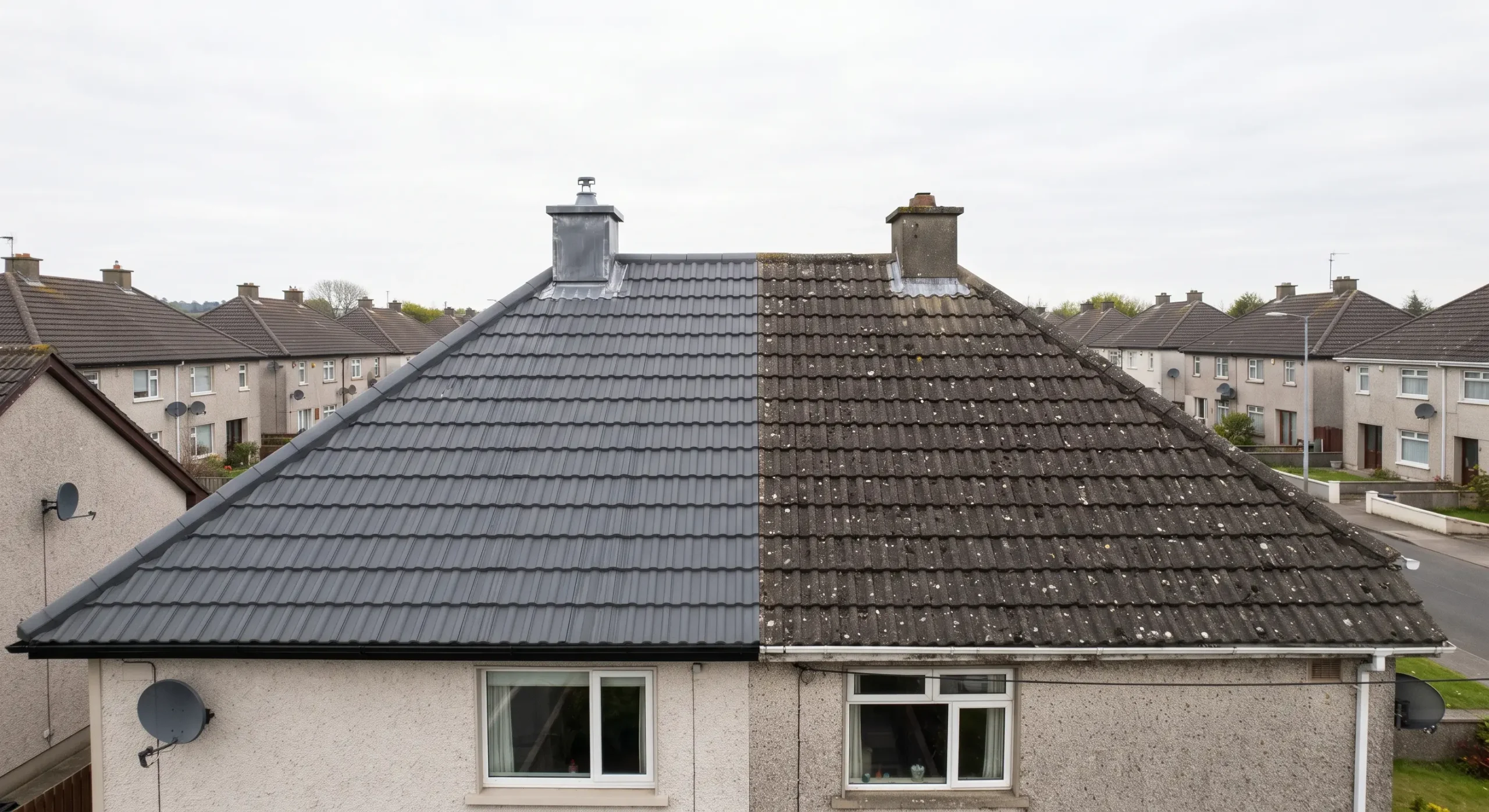
A few recent repairs around Dublin. Real jobs, real homes.
Warm roofs cost a bit more upfront than the old cold method. They earn it back in lower heating bills and a roof that does not rot. Price depends on roof size, whether the old covering comes off, insulation thickness, and the covering you choose.
Some insulation upgrades may qualify for SEAI grants. Use our Roof Cost Calculator for a guide, then book a free survey for a fixed written price.
Talk To a Consultant
01 453 3366
Posted on Google
 Amelia Taylor
Trustindex verifies that the original source of the review is Google.
Very pleased with the metal roof that HP Roofing just installed!Posted on GoogleSaeeda GhiasVery professional and timely servicePosted on GoogleIman JavaidExcellent work done by HP Roofing. Professional roofing service delivered on time.
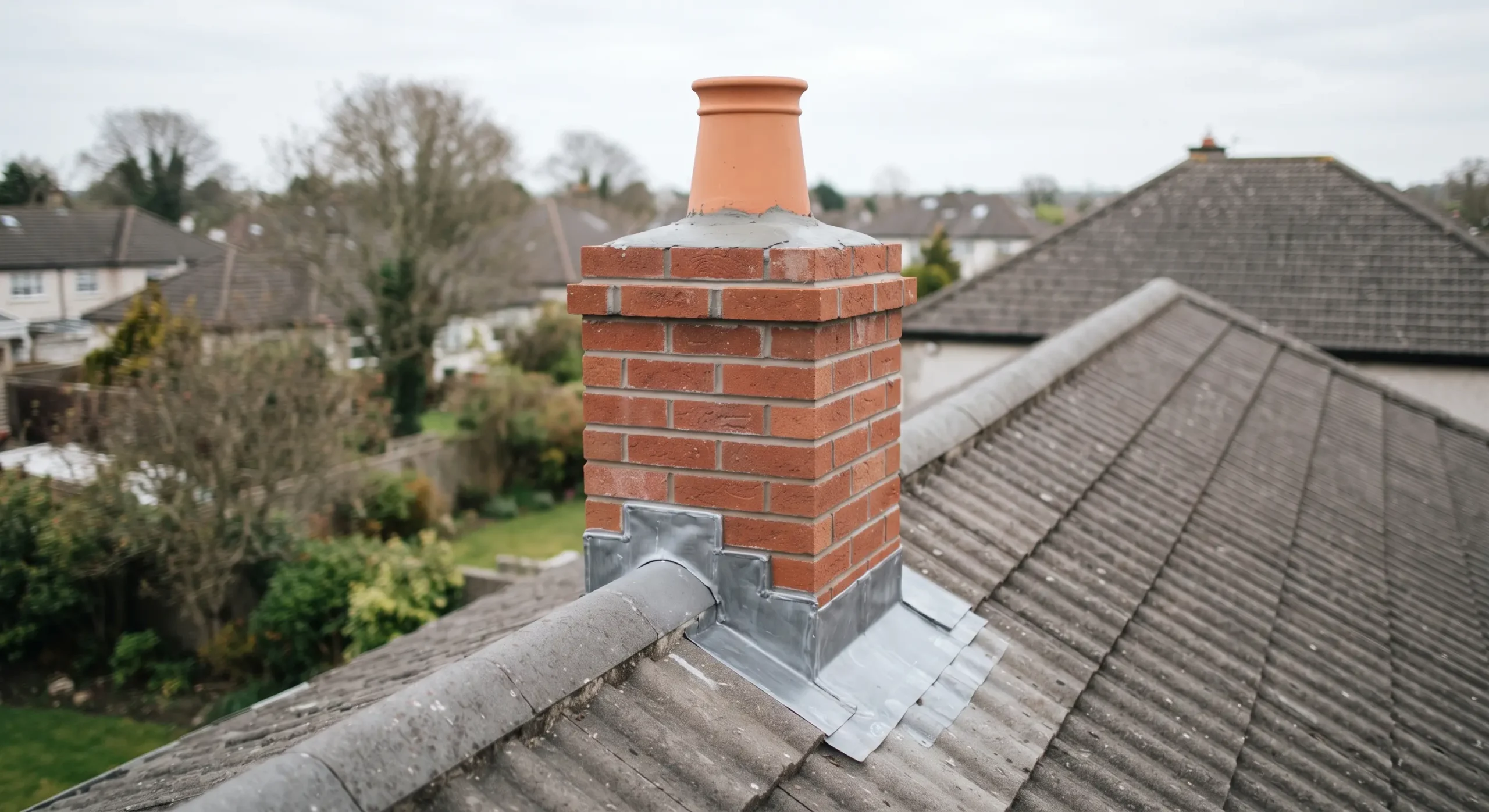
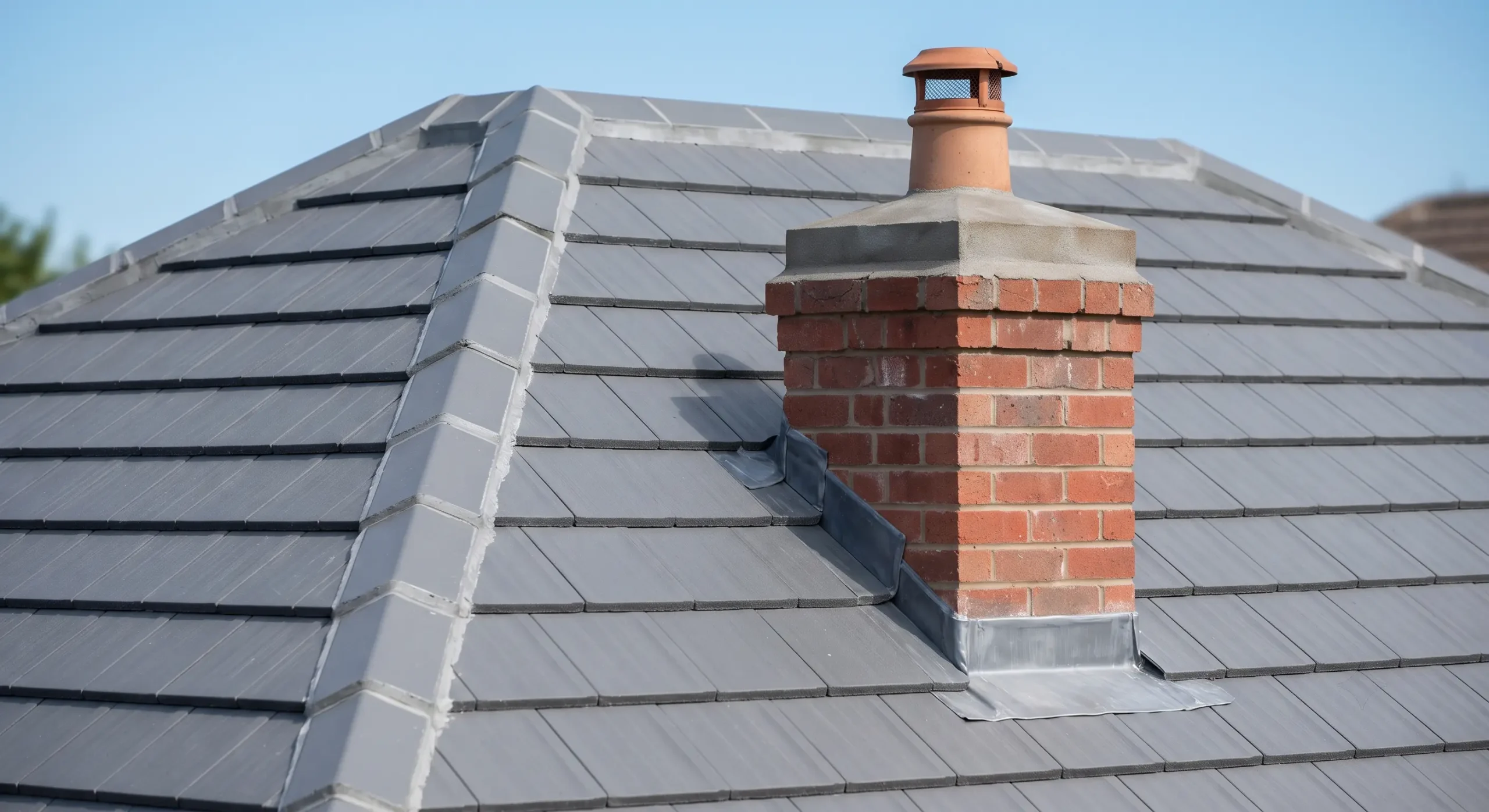
No call-out charge, no obligation. We’ll tell you honestly whether it needs repairing or replacing.
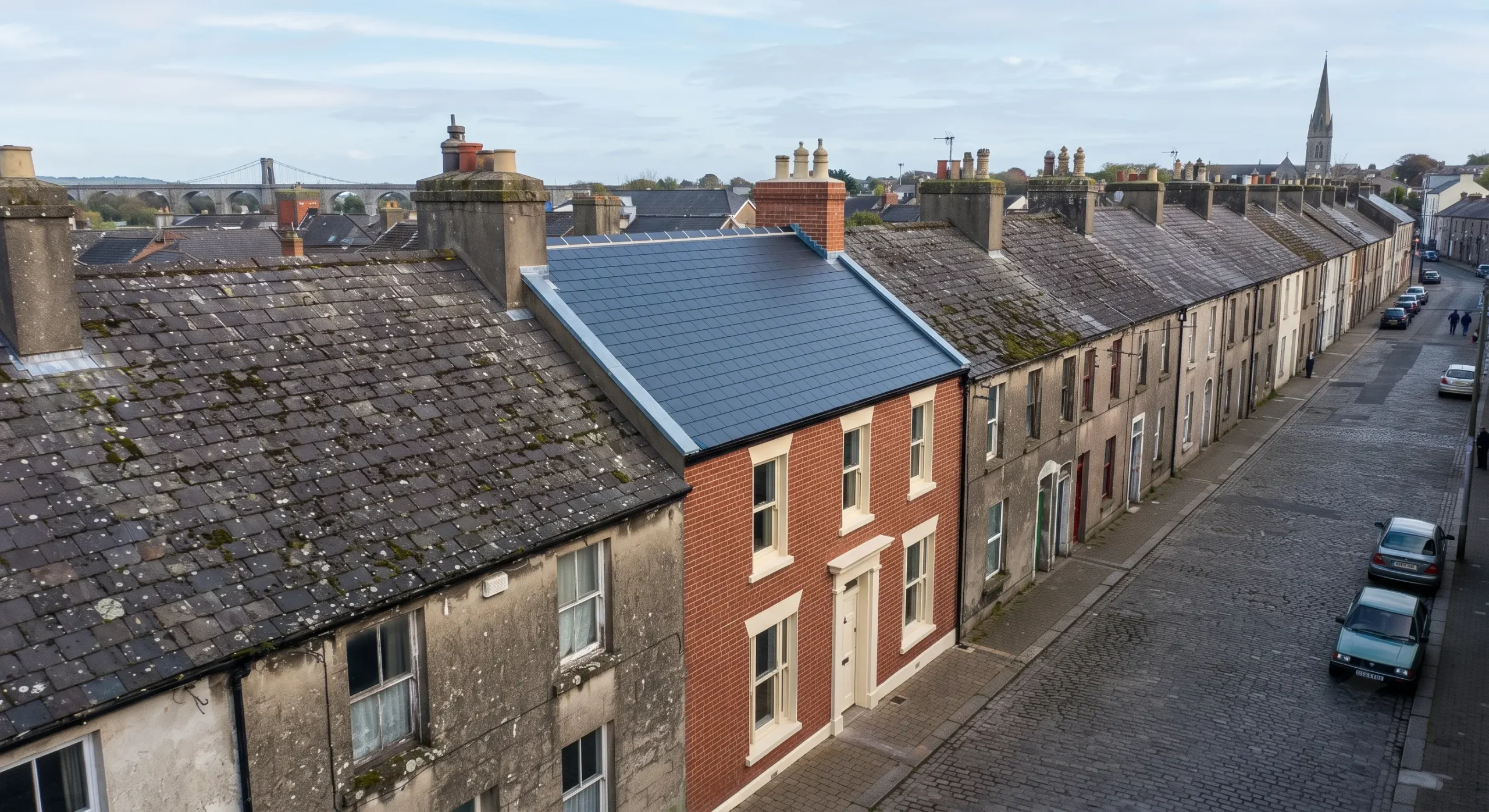
It comes down to where the insulation sits. In a warm roof it goes above the deck, under the waterproofing, so the whole roof stays warm, there’s no condensation, and it doesn’t need ventilation. In a cold roof, it goes between the joists, so the deck stays cold; the roof needs a ventilation gap, and it can get damp if that fails. A warm roof is the modern standard.
It removes the main cause. Condensation forms when warm, damp air from inside meets a cold surface. A warm roof keeps the deck and timbers warm, so there’s nowhere inside the roof for that moisture to settle and rot things. It fixes the cause, not just the symptom.
Yes. When a flat roof needs replacing, we usually rebuild it as a warm roof. Replacing the covering is the natural point to add insulation above the deck and fix any condensation problem for good. See our flat roof repair and flat roof systems.
A warm roof doesn’t need the ventilation gap a cold roof relies on. It does sit a little higher because the insulation goes on top of the deck, which we allow for in the design so it meets the existing roofline and any door or window heights.
Book a free, no-obligation inspection and we will tell you honestly what your roof needs.
Request A Quote
Get the contact details you need to connect with our team.


