Skip to content

The fascia and soffit are easy to ignore. They sit at the very edge of the roof, out of sight from the ground, quietly taking the worst of the Irish weather until a gutter drops or the paint starts flaking. By then the timber behind is usually gone, and replacement is the sensible move.
In most cases, fascia and soffit replacement cost in Ireland runs between €900 and €4,000, with a typical semi-detached home around €1,000 to €2,500.
This guide breaks the numbers down by house type and by metre, shows what drives a quote up on site, and covers whether to replace the guttering at the same time.
How Much Does Fascia and Soffit Replacement Cost in Ireland?
A full fascia and soffit replacement in Ireland typically costs €900 to €4,000, depending on the size of the house and the material. Here is a typical cost based on house types and rough roofline:
| House type | Rough roofline | Typical cost |
| Terraced | Front and rear | €900 to €1,800 |
| Semi-detached | Three elevations | €1,000 to €2,500 |
| Detached | Four elevations | €2,000 to €4,000+ |
| Front only | Front elevation | From about €600 |
Priced by the metre, supplied and fitted work lands at roughly €45 to €70 per linear metre, so a longer or more complex roofline costs more even on a smaller house.
If you want a ballpark before you ring anyone, our roof cost calculator gives a quick estimate you can check against real quotes.
What Actually Affects Roofline Price?
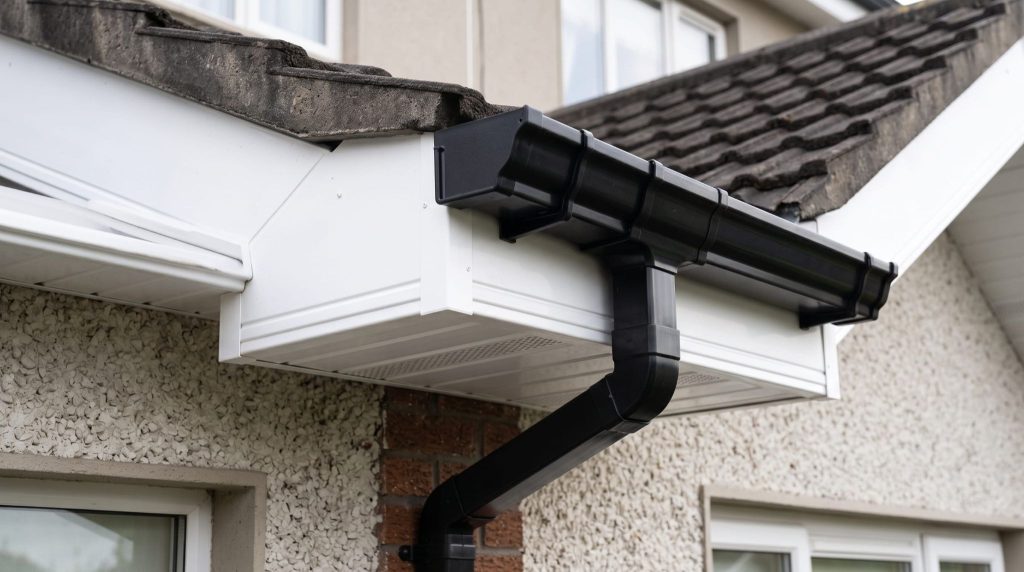
Four things move the price the most. The size and shape of the house set the metres of board needed.
1. Property size and elevations. More sides means more metres, which raises the soffits and fascias cost.
2. Access and scaffolding. A two-storey or awkward roofline needs a tower or scaffold, which can add several hundred to a couple of thousand euro.
3. Material. uPVC is the cheapest option, while aluminium and timber cost more.
4. Hidden timber condition. Rotten rafter ends or wet felt add labour once the old boards come off.
Damp rafter ends, sagging gutters, and staining inside can be signs your roof needs more than a facelift, so it is worth checking the wider roof before you commit to boards alone.
Which Roofline Material Gives the Best Value?
For most Irish homes, uPVC gives the best value on fascia and soffit work. It resists rot, needs no painting, and commonly lasts 20 to 30 years, which suits our wet, windy climate.
| Material | Upkeep | Lifespan | Where it fits |
| uPVC | An occasional wash | 20 to 30 years | Most homes, best value |
| Aluminium | Very low | 30 years plus | Long spans, coastal, modern look |
| Timber | Regular painting and sealing | Varies with care | Period and protected homes |
uPVC keeps soffit and fascia prices down because the boards are cheaper to buy and quicker to fit. Aluminium sits in the middle and rarely warps on long runs. Timber sits at the top once you add the cost of painting it every few years. On a protected or period home, the look the house needs may set the choice for you.
Should You Replace Guttering and Fascia Together?
In most cases, yes. When you replace guttering and fascia in one visit, you pay once for access and scaffolding instead of twice, which usually saves money overall.
New uPVC guttering adds roughly €1,000 to €1,800 on a semi-detached run, and a full roofline renovation with boards and gutters together commonly lands between €1,500 and €4,500.
Here is what matters:
- One set of access costs instead of two.
- A clean fixing for the new gutter on fresh board.
- One clear guarantee covering the whole roofline.
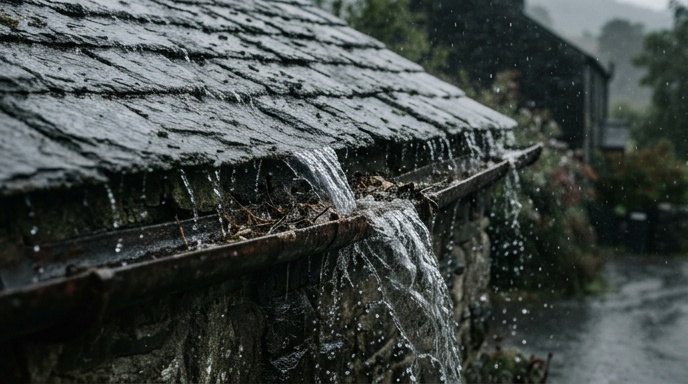
There is one exception worth flagging. If a failed gutter has been overflowing behind the fascia, water may already be sitting in the roof timbers, and that calls for an emergency roof repair before any new boards go up, so you are not sealing a problem in behind them.
Why Soffit Ventilation Matters After Replacement

Soffit vents let air move through the roof space, which stops warm, damp air condensing on the cold timbers above. Irish building rules require roof spaces to be ventilated to control condensation, and the soffit is where much of that airflow enters.
Ask any contractor how they plan to vent the soffit before you accept a quote. It is the difference between a roofline that lasts and one that quietly holds water.
[Image: continuous soffit vent strip fitted under a roof edge showing the ventilation gap]
How to Get an Accurate Fascia and Soffit Quote
To get an accurate quote, have at least three contractors inspect the roofline in person, then compare written quotes rather than verbal estimates. A fair quote lists the boards, the guttering if included, the ventilation, any timber repair, and whether the price includes VAT. Phone figures rarely hold once someone climbs up to look.
Irish consumer guidance on hiring a tradesperson is clear that you should ask for a quote including VAT and get it in writing before work starts.
- Boards, brackets, and fixings listed, not just a lump sum.
- Guttering shown separately if it is part of the job.
- Ventilation and any timber or rafter-end repair spelled out.
- Whether the figure includes VAT and scaffolding.
- A clear guarantee on both labour and materials.
Get Your Job Done Right
A tired roofline is one of the cheaper roofing jobs to put right, and doing it properly protects the far more expensive structure behind it. Know your house type, pick the right material, and combine the guttering where it makes sense.
For a written fixed quote based on a proper look at your roofline, talk to our team here and get the numbers for your own home.