Skip to content

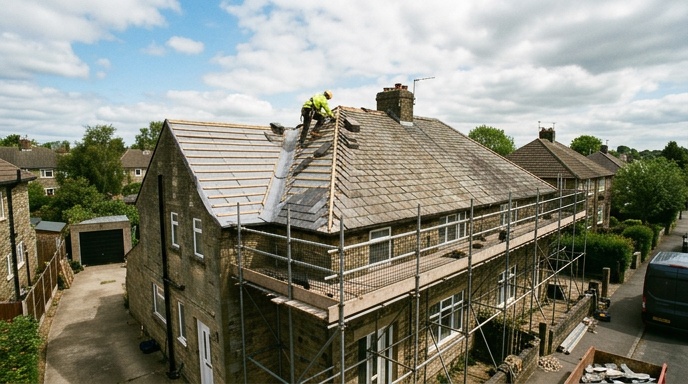
Roofing replacement is the full removal of your old roof covering and the installation of a new one, usually taking one to two weeks for a typical Dublin home and costing between €9,000 and €16,000 for most re-roofs. The final figure depends on roof size, pitch and the material you choose.
If your roof is over 30 years old, leaking in more than one spot, or losing slates after every storm, replacement often works out cheaper than patching it year after year. Below we walk through the whole job, step by step, so you know exactly what to expect before you ring anyone.
Since 1969 we’ve seen every kind of Dublin roof, from small terraces in Crumlin to landmark buildings, and the honest answer is always the same. A good replacement is as much about preparation and clean work as it is about the tiles on top.
What Does Roofing Replacement Involve From Start to Finish?
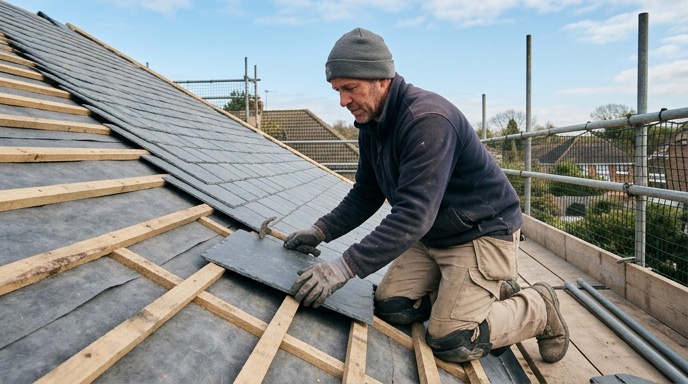
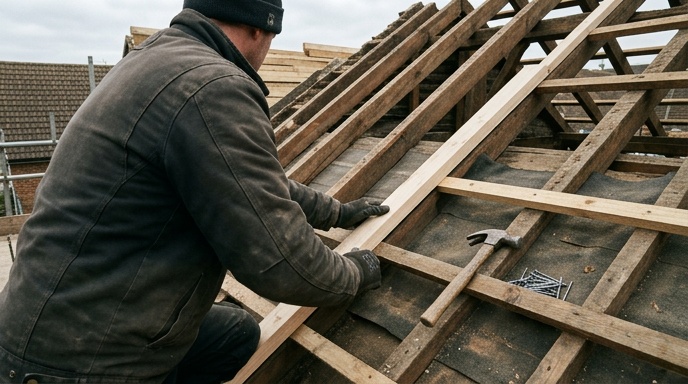
Roofing replacement involves stripping the existing covering back to the timber, inspecting and repairing the structure, fitting new felt and battens, then laying the new slates or tiles with fresh flashing and ridge work. It’s a controlled sequence, not a rushed job, and each stage gets checked before the next begins.
The main stages run in this order:
- Scaffold erected and the area around the house protected.
- Old slates, felt and battens stripped off and cleared away.
- Roof timbers, rafters and ridge checked for rot or sagging.
- New breathable membrane and treated battens fitted.
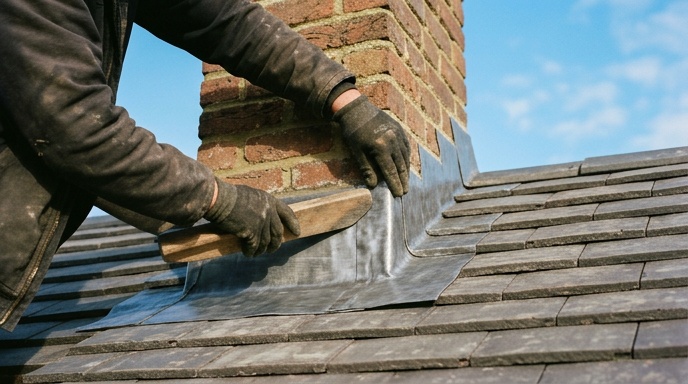
- New covering laid, with lead or alternative flashing to chimneys and valleys.
- Ridge tiles bedded, gutters checked, and the site cleaned down.
A proper replacement always starts with a full re-roof assessment so you’re not paying to cover up a problem underneath. The condition of the timber decides a lot of the cost, which is why no honest quote skips the strip-and-inspect stage.
How Long Does a Full Roof Replacement Take?
A full roof replacement on a standard Dublin home takes five to ten working days, weather permitting. A small terraced roof can be done in under a week, while a large detached house with multiple valleys, dormers and chimneys can run to two weeks or more.
Irish weather is the biggest variable. A dry spell lets a crew keep moving, whereas heavy rain or high wind means the roof gets made watertight and work pauses for safety.
What Can Slow the Job Down?
Delays usually come from what’s found once the old roof is off, not from the laying itself. The common ones are:
- Rotten rafters or battens that need replacing before anything goes back on.
- Storm damage to chimneys or lead work discovered mid-job.
- Awkward access that slows scaffolding and material loading.
- Sustained wet or windy weather stopping work on the roof.
A good contractor builds a little slack into the timeline and tells you up front where hold-ups might happen. Surprises cost money and goodwill, so they’re worth flagging early.
Do You Need to Move Out During the Work?
No, you don’t need to move out during a roof replacement. The house stays weathertight at the end of each day, and most of the noise and disruption is confined to the hours the crew is on site. Expect dust in the attic and some vibration, so cover anything stored up there.
How Much Does Roofing Replacement Cost in Dublin?
Most Dublin re-roofs land between €9,000 and €16,000, with the final price driven by roof size, pitch, access and the covering you pick. Treat any figure as an estimate until a roofer has seen your actual roof, because a steep cut-up roof costs far more than a simple two-slope one of the same footprint.
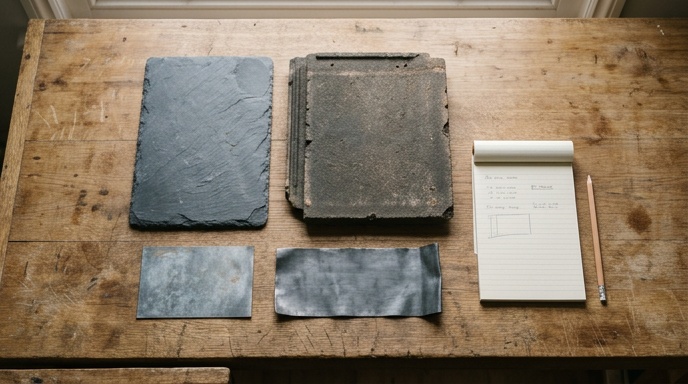
Material choice moves the number the most. Here’s a rough guide to how common coverings compare.
| Roof Covering | Relative Cost | Typical Lifespan |
|---|---|---|
| Concrete tiles | Lowest | 40 to 50 years |
| Natural slate | Higher | 80 to 100 years |
| Metal roofing | Mid to high | 40 to 70 years |
| Copper or zinc | Highest | 80 years plus |
The best way to get a figure for your own house is to run the numbers yourself and then confirm with an inspection.
Alongside the covering, your quote should allow for scaffolding, waste removal, new flashing and any timber repairs. These are the line items that catch people out when a cheap quote comes in without them.
When Should You Replace a Roof Instead of Repairing It?
Replace the roof when repairs are becoming frequent, the covering is near the end of its life, or the underlying felt and battens have failed across the whole roof. A one-off slipped slate is a repair. Widespread sagging, damp patches in several rooms, or a roof over 40 years old usually points to replacement.
Watch for these signs that patching has run its course:
- Leaks appearing in more than one place after rain.
- Daylight visible through the roof from inside the attic.
- Crumbling or delaminating slates across large areas.
- A visible dip or sag along the ridge line.
- Granules from tiles collecting in the gutters.
If you’re genuinely unsure, an honest inspection should give you a straight repair-or-replace verdict rather than a sales pitch. For smaller, isolated faults, a targeted roof repair service is often all that’s needed, and a reputable roofer will tell you so.
What Should a Good Roof Replacement Quote Include?
A good quote is itemised and clear, showing the material, scaffolding, labour, waste disposal, flashing and any timber work as separate lines. If a price is a single lump sum with no breakdown, you can’t tell what’s been left out, and that’s where disputes start.
Check your written quote covers the following before you sign anything:
- The exact covering and membrane being used, named not vague.
- Scaffolding hire and safe access arrangements.
- Removal and disposal of the old roof.
- New flashing to chimneys, valleys and abutments.
- A clear workmanship warranty and insurance details.
Insurance matters more than people think on a roof. A firm with full employer and public liability cover, carded crew and an in-house safety officer protects you if something goes wrong at height. The official guidance from the Health and Safety Authority on construction work sets out why that cover is non-negotiable.
Do You Need Planning Permission to Replace a Roof?
In most cases you do not need planning permission to replace a roof with a like-for-like covering, as it counts as repair and maintenance. You may need it if you change the roof shape, raise the height, add dormers or skylights, or if the property is a protected structure or in a conservation area.
Protected and heritage buildings are the big exception. Any change to a protected structure, including the roof covering, usually needs consent, and sympathetic materials are often required. You can check whether a building is listed through the Department of Housing guidance on protected structures before you commit to anything.
If your home is older or in a conservation setting, speak to a roofer with heritage experience early, because the right approach affects both cost and timeline.
Getting Your Roof Replacement Right
A roof replacement is a big spend, but a well-planned one lasts decades and ends the cycle of patch-and-pray. Know the stages, get an itemised quote, and make sure whoever you hire is properly insured and works to a standard they’ll stand over.
Book a free, no-obligation inspection and we’ll give you an honest verdict on whether your roof needs replacing or just a repair. Call or arrange your free roof inspection to get a clear picture before you spend a cent.