Skip to content
When it’s time to choose a new roof, many people wonder whether to go for a pitched roof or a flat roof. Both have their own benefits, and the best choice depends on your style, budget, and the type of building you have.
Pitched roofs are more traditional and are often seen in homes. Flat roofs, on the other hand, are popular for modern homes and commercial buildings.
In this blog, we’ll compare flat vs. pitched roofs in detail to help you decide what suits your needs. If you’re thinking about a flat roof, you’re in the right place. We offer expert flat roof services for all types of properties.
What Is a Pitched Roof?
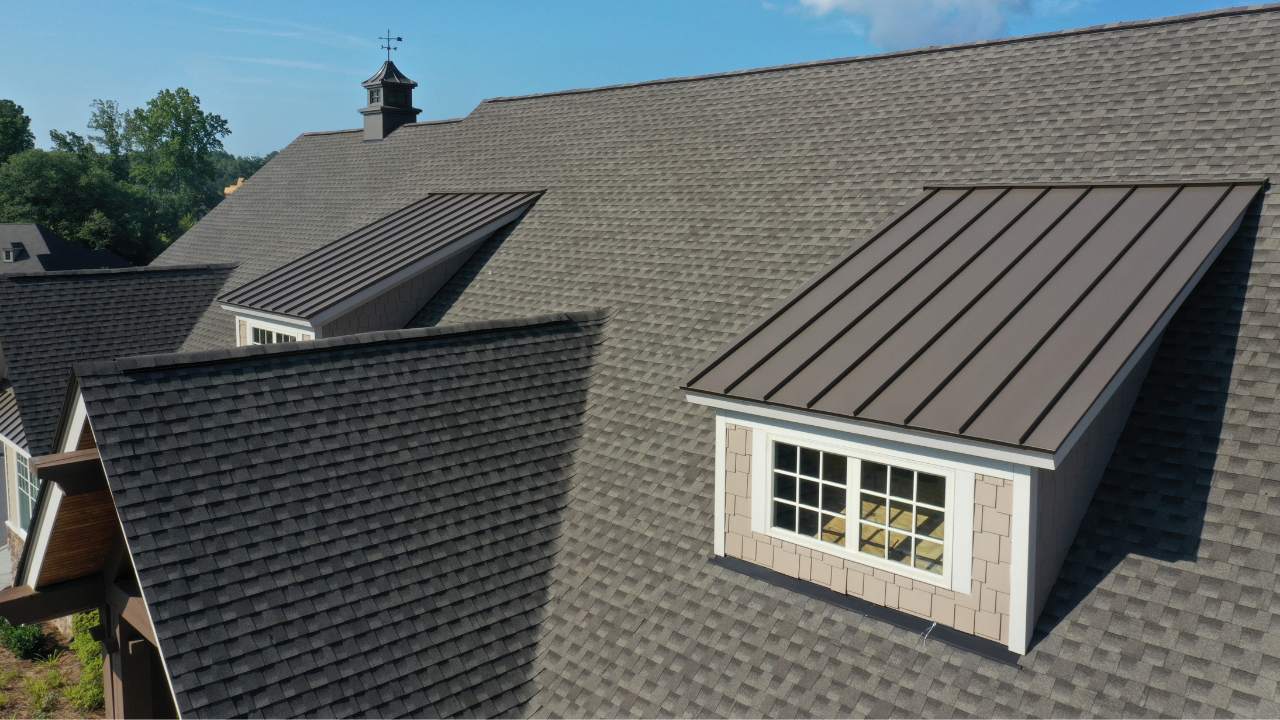
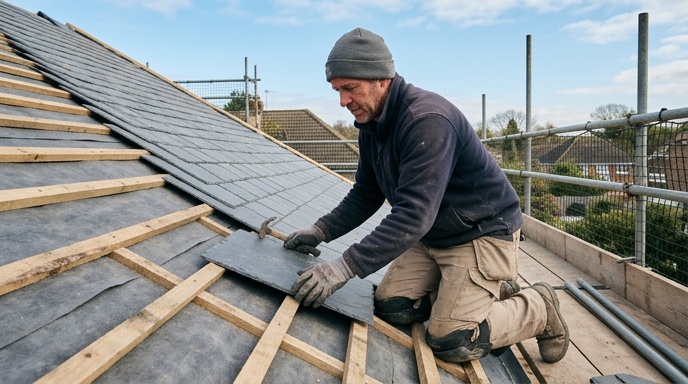
A pitched roof has a visible slope or peak, typically forming a triangular shape. It’s a common feature in homes throughout the UK, especially in traditional suburbs. Pitched roofs are also valued for the extra height and attic space they provide inside the property.
What Is a Flat Roof?
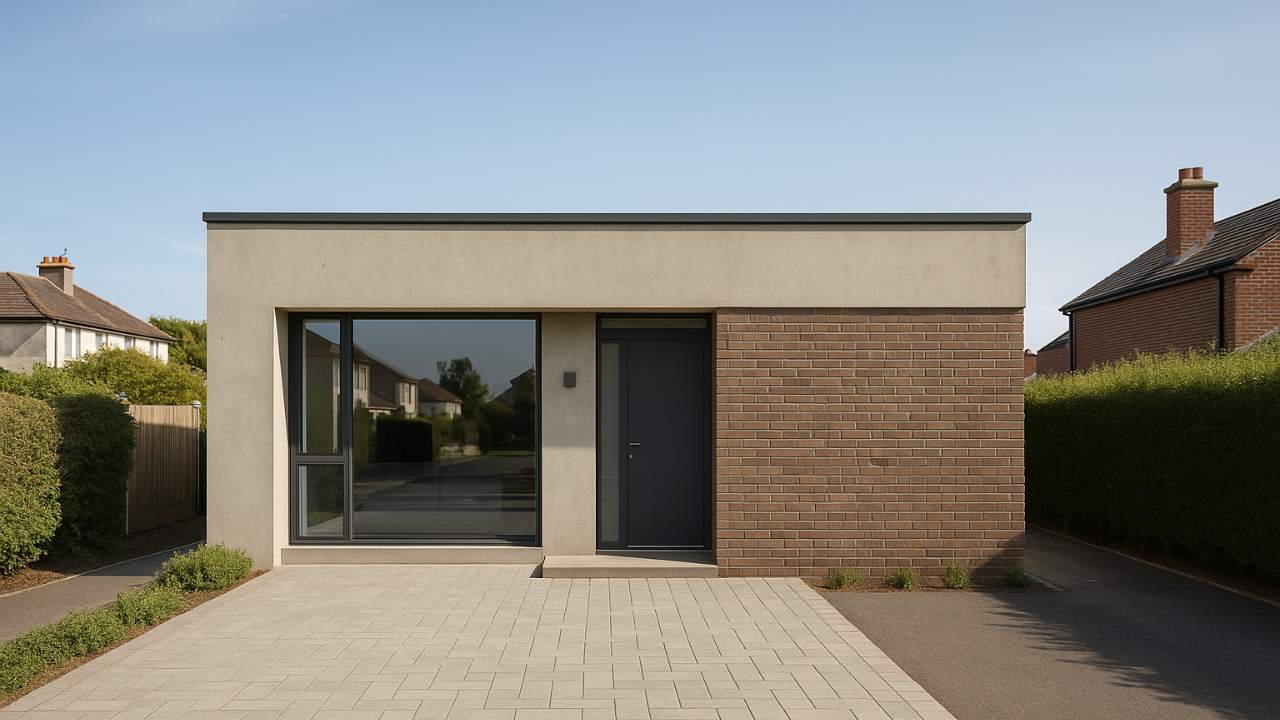
A flat roof looks level, although it’s built with a slight slope to allow rainwater to drain off properly. It’s often used in commercial buildings and modern residential homes.
At our company, we specialise in installing, repairing, and maintaining flat roofs. We believe they offer smart, flexible options for a wide range of property styles.
Flat vs Pitched Roofs – Which One Is Right for Your Property in Ireland?
Choosing between a flat or pitched roof is not just about how it looks. It’s also about how it will perform in Ireland’s climate, how much it will cost, and how long it will last.
Here are the key differences to help you decide what’s best for your home or business. Each roof type offers its own set of benefits depending on your needs.
Design and Style
Flat roofs give a clean and modern look that works well for new builds, extensions, and commercial premises. They’re a common sight in Irish towns and cities, where roof space can be put to good use and simple design is preferred.
Pitched roofs bring a more traditional and homely feel. The angled shape blends well with older Irish neighbourhoods and rural areas, giving houses character and a style that never dates.
Cost and Installation
Flat roofs are often less expensive to install because they use fewer materials and take less time to build. This can be ideal for homeowners or businesses in Ireland looking for a cost-conscious option.
Pitched roofs can cost more at the start, but they tend to last longer and need fewer repairs over time. The extra upfront spend can pay off in long-term savings and reliability.
Strength and Weather Protection
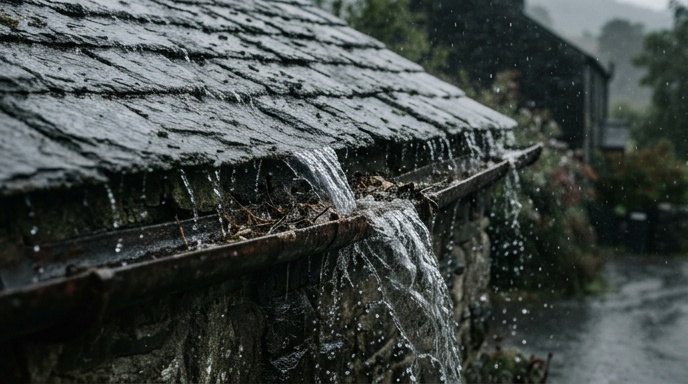
Pitched roofs are great for Ireland’s wet and windy weather. Their slope helps rain and snow run off quickly, reducing the risk of leaks or damage from pooling water.
Flat roofs need a good drainage setup to cope with heavy rain. With proper waterproofing and regular checks, they can handle Irish weather well and stay in good condition for many years.
Space and Future Use
Flat roofs can be used for solar panels, rooftop gardens, or outdoor seating areas. This makes them especially useful in towns and cities where outdoor space is limited.
Pitched roofs are less practical for rooftop access but offer indoor attic space. This can be valuable for storage, insulation, or even converting into an extra room in the future.
Maintenance and Lifespan
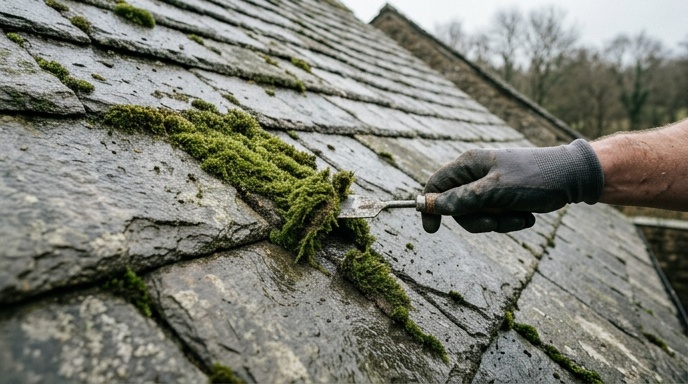
Pitched roofs typically require less frequent upkeep and offer a longer lifespan when constructed with durable materials. Their design helps prevent structural issues over time.
Flat roofs demand more consistent monitoring and occasional re-sealing to avoid leaks or drainage problems. Their maintenance costs can accumulate if overlooked.
Should You Go Flat or Pitched?
If you’re after a timeless, sloped design with long-term durability, a pitched roof is a solid option. But if you want something modern, space-efficient, and cost-effective, a flat roof offers unbeatable value, especially when installed and maintained by experienced professionals like us.
We provide expert flat roof services that include:
- New flat roof installations
- Re-roofing and replacements
- Annual inspections and maintenance
- Emergency leak repairs
- Flat roof upgrades for energy efficiency
Conclusion!
Choosing between a pitched roof and a flat roof depends on your property’s style, your budget, and how you plan to use the space. Pitched roofs offer a traditional look and long-term durability, while flat roofs provide a modern design, extra space, and easier maintenance. Both options have their strengths, and the right choice comes down to what suits your needs best.
If you’re still unsure which is right for your home or business, HP Roofing is here to help. Get in touch with our team today for expert advice and trusted support with your flat vs. pitched roof decision.