Skip to content
Ireland’s climate may feel fairly mild, but it can have a lasting effect on the condition of your roof. Regular rainfall, strong winds, damp air, and occasional cold snaps all contribute to gradual wear over time.
Many roofing issues develop slowly and go unnoticed until damage becomes more serious. Understanding how Irish weather impacts your roof allows homeowners to recognise early warning signs and take preventative action.
In this blog, we will explore how Irish weather affects the condition of your roof and what you can do to protect your home in the long term.
Let’s start!
How Does Irish Weather Affect the Condition of Your Roof in Ireland?
Ireland’s conditions can appear less severe than they truly are, but over time, they can place steady pressure on your roof. Regular rain, strong winds, damp air, cold snaps, and even sunshine all play a role in how roofing materials age.
Understanding how Irish weather impacts your roof helps homeowners spot problems early and avoid costly repairs later on.
1. Frequent Rain and Ongoing Moisture Issues
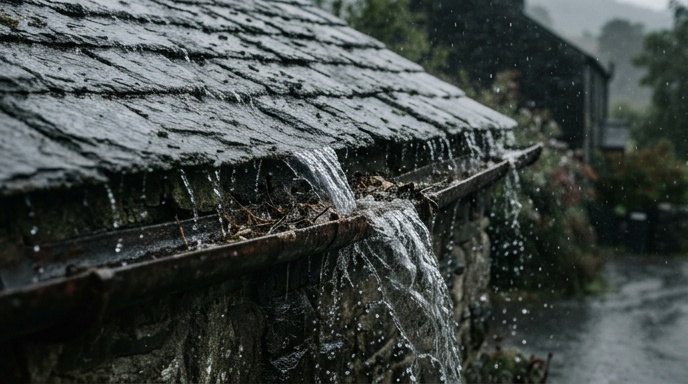
Ireland experiences regular rainfall throughout the year, which can slowly wear down roofing materials. When water does not drain properly, it can build up and find its way beneath tiles or membranes.
This is particularly risky for older roofs or flat roof areas where water sits for longer. Over time, trapped moisture can lead to rot, internal dampness, and weakened roof structures. Good drainage and regular checks are essential in these conditions.
2. Strong Winds and Storm Exposure
Coastal and inland areas across Ireland often experience strong winds, especially during autumn and winter. Gusts can loosen tiles, slates, and ridge caps, leaving gaps where water can enter.
Flying debris, such as branches, can also strike the roof and cause surface damage. Wind often exposes existing weaknesses rather than creating new ones. If left unchecked, small issues can quickly turn into leaks.
3. Cold Spells, Frost, and Freezing Conditions

Although Ireland does not face extreme winters, frost can still affect roofs. Moisture that seeps into small cracks can freeze overnight and expand. When it defrosts during the day, materials contract again, slowly widening those cracks.
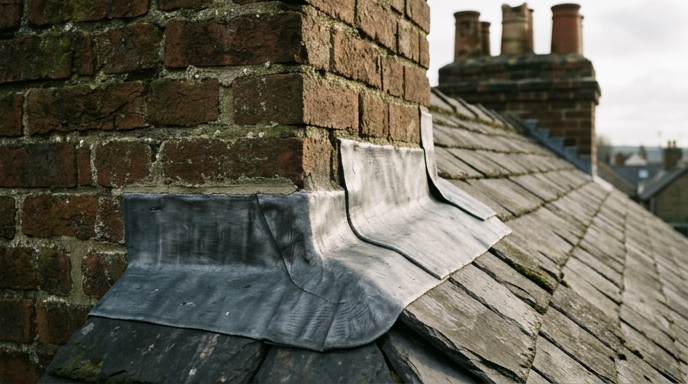
This repeated cycle can damage tiles, flashing, and joints over time. Occasional snowfall can also add temporary weight to the roof structure.
4. Damp Air and Organic Growth
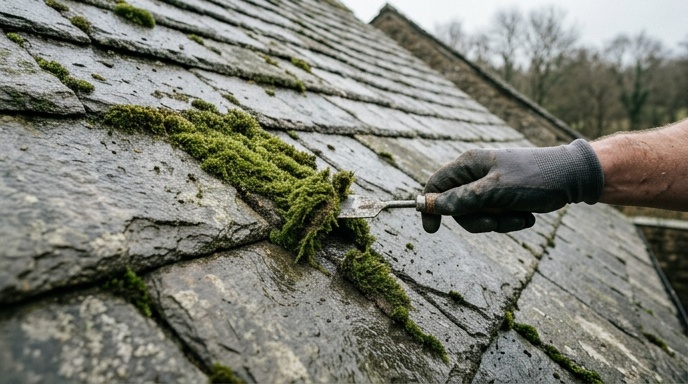
Ireland’s high humidity creates ideal conditions for moss, algae, and lichen to grow on roofs. These growths trap moisture against the surface, preventing it from drying properly.
Over time, this can cause tiles or slates to break down faster than expected. Moss can also block gutters and drainage points. Aside from damage, it can make a roof look neglected.
5. Sunlight and UV Wear
While Ireland is better known for rain, sunlight still plays a role in roof ageing. UV rays can slowly break down certain roofing materials, making them brittle or causing surface cracking. Even short spells of sunshine add up over many years.
This gradual wear can reduce how well the roof sheds water during wet weather. Choosing suitable materials helps limit long-term UV damage.
What Are the Preventative Measures to Protect Your Roof in Ireland?
Taking simple preventative steps can help your roof cope better with Ireland’s changing weather and reduce the risk of long-term damage.
1. Regular Roof Inspections
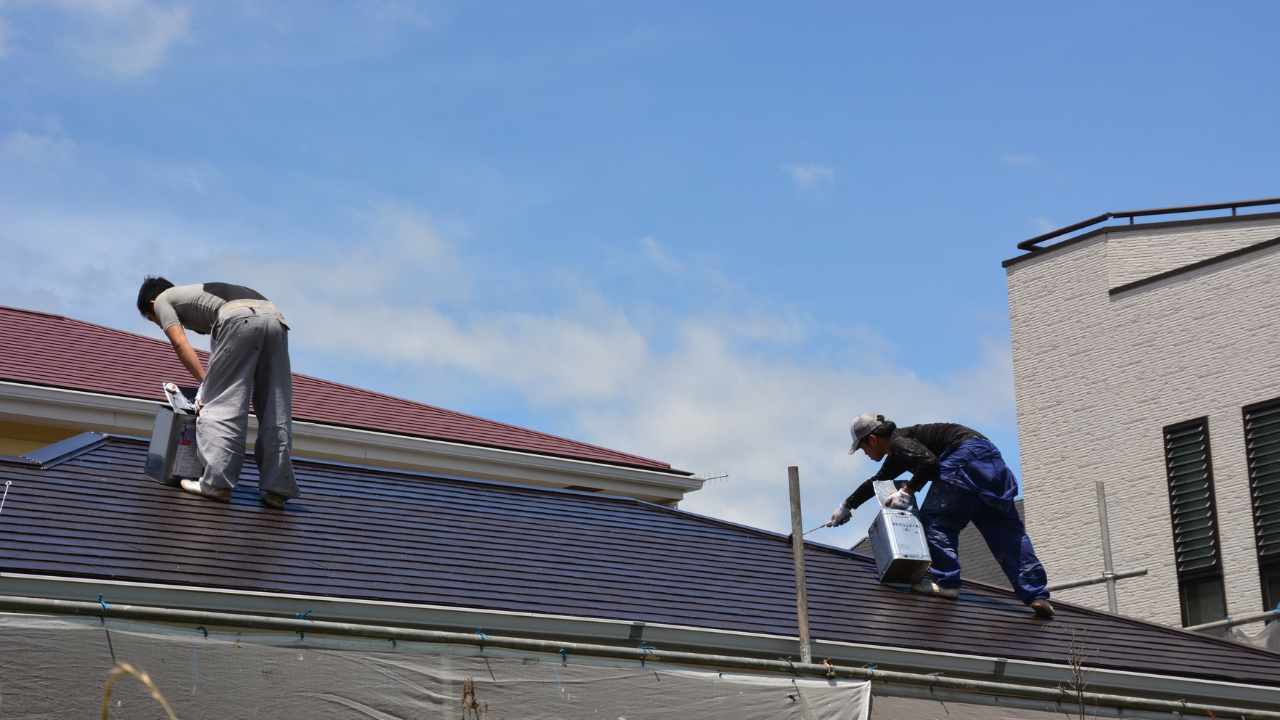
Routine inspections help identify loose tiles, cracked slates, or early signs of wear. Spotting small issues early can prevent leaks and structural problems later.
Inspections are especially useful after storms or periods of heavy rain.
2. Keep Gutters and Drainage Clear
Blocked gutters can cause rainwater to overflow and seep into walls or roofing layers. Clearing leaves, moss, and debris allows water to drain away properly.
This is particularly important during autumn and winter.
3. Address Minor Repairs Promptly
Small cracks or loose fittings may seem harmless, but can worsen quickly in wet or windy conditions. Timely repairs reduce the chance of water penetration and internal damage. Acting early often saves money in the long run.
4. Control Moss and Algae Growth
Moss and algae thrive in Ireland’s damp climate and hold moisture against the roof surface. Gentle cleaning helps reduce long-term wear on tiles and slates. It also improves drainage and overall roof appearance.
5. Ensure Proper Ventilation
Good ventilation helps prevent moisture build-up within the roof space. Reducing trapped condensation protects timber structures and insulation. Proper airflow supports the roof’s durability throughout the year.
Conclusion
Ireland’s weather can place real strain on your roof. Frequent rain, strong winds, damp conditions, frost, and even sunlight all contribute to gradual wear and potential damage if left unchecked. Understanding how these factors affect your roof makes it easier to spot early warning signs and take preventative action. Regular inspections and timely maintenance can help extend the life of your roof and avoid costly repairs.
If you have concerns about your roof or would like professional advice, contact HP Roofing today to discuss your options and arrange an inspection suited to Irish conditions.