Skip to content
A chimney might be the last thing you think about until water starts creeping down your bedroom wall. For thousands of Irish homeowners, a crumbling chimney stack is quietly causing damage they won’t notice for months, sometimes years.
Chimney repairs and repointing stop that cycle before it gets expensive. Repointing replaces worn mortar between bricks, seals out rainwater and restores the structural strength of the stack. Combined with flashing repairs and a proper inspection, it’s one of the most cost-effective ways to protect a house from damp, heat loss and long-term structural problems.
Most chimney issues in Ireland come down to weather exposure. Between Atlantic storms, persistent rain and hard frosts, mortar joints take a battering. If your chimney was last pointed more than 20 years ago, there’s a good chance the mortar is already failing, even if the bricks look fine from the ground.
What Does Chimney Repointing Actually Involve?
Repointing is the process of removing old, deteriorated mortar from between the bricks of a chimney stack and replacing it with fresh mortar. It sounds simple, but getting it right takes experience and the correct materials.
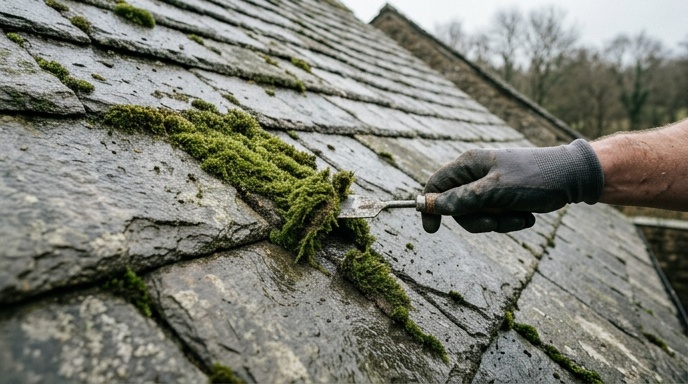
A skilled roofer will rake out the damaged joints to a depth of around 15-20mm, brush the joints clean and pack in new mortar that matches the original profile. The mortar mix matters too. Using the wrong type (cement that’s too hard for older brickwork, for example) can actually cause more cracking over time. Lime-based mortars are often the better choice for older or period properties where the original brickwork needs to breathe.
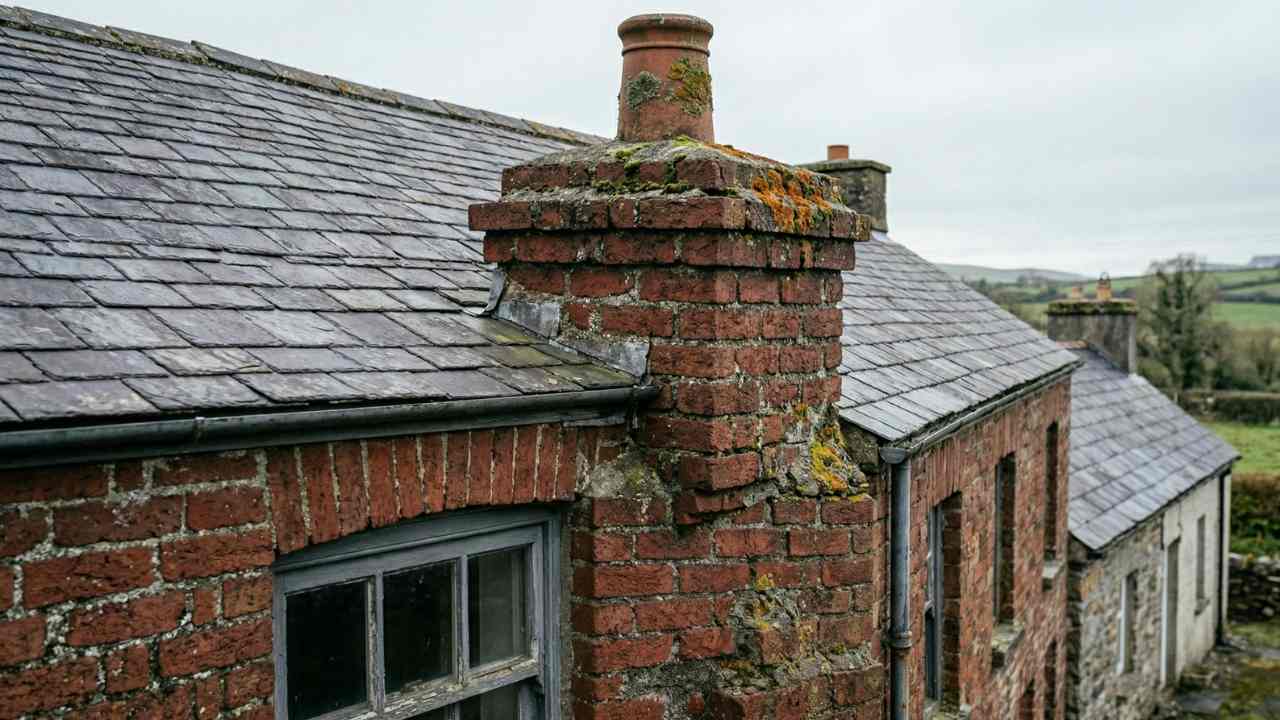
For most residential chimneys in Dublin and across Leinster, a full repoint can be completed within a day or two, depending on access and the condition of the stack. Scaffolding or a roof ladder is typically required, which is one reason this is not a DIY job.
Why Does Damaged Flashing Matter?
Flashing is the metal (usually lead) that seals the joint between the chimney and the roof surface. When flashing lifts, cracks or corrodes, water runs straight into the roof space. It’s one of the most common causes of chimney-related leaks in Irish homes.
Lead Flashing vs. Modern Alternatives
Lead remains the gold standard for chimney flashing because it moulds tightly to irregular surfaces and lasts decades. However, some contractors now use self-adhesive flashing tapes or fibre-glass alternatives for budget repairs. These can work as a short-term fix, but they rarely match the longevity of properly dressed lead.
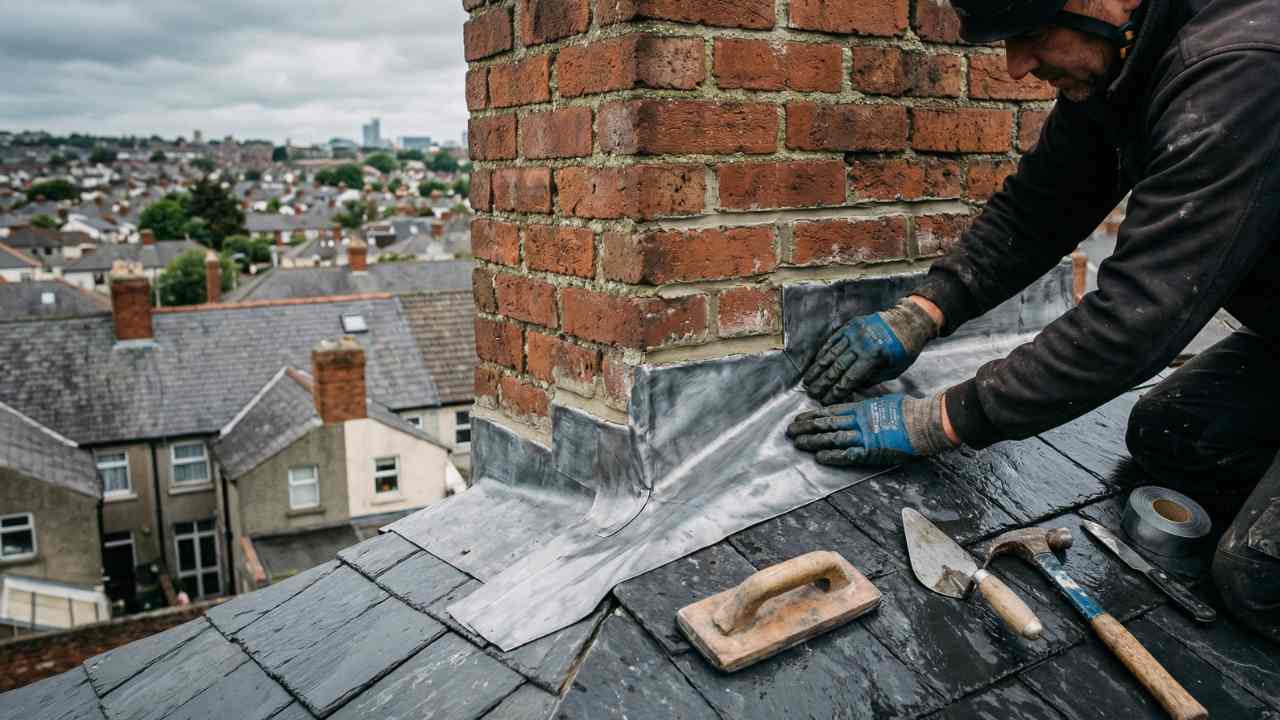
If your chimney flashing was installed more than 25 years ago, it’s worth having a roofer check it during any repointing work. Replacing flashing at the same time as repointing saves on scaffolding costs and ensures the whole chimney area is watertight in one visit.
What Happens if You Ignore Chimney Damage?
Small cracks in mortar joints might not look like much from the ground. But once water finds a way in, the problems multiply quickly.
Here’s what typically follows when chimney maintenance gets put off:
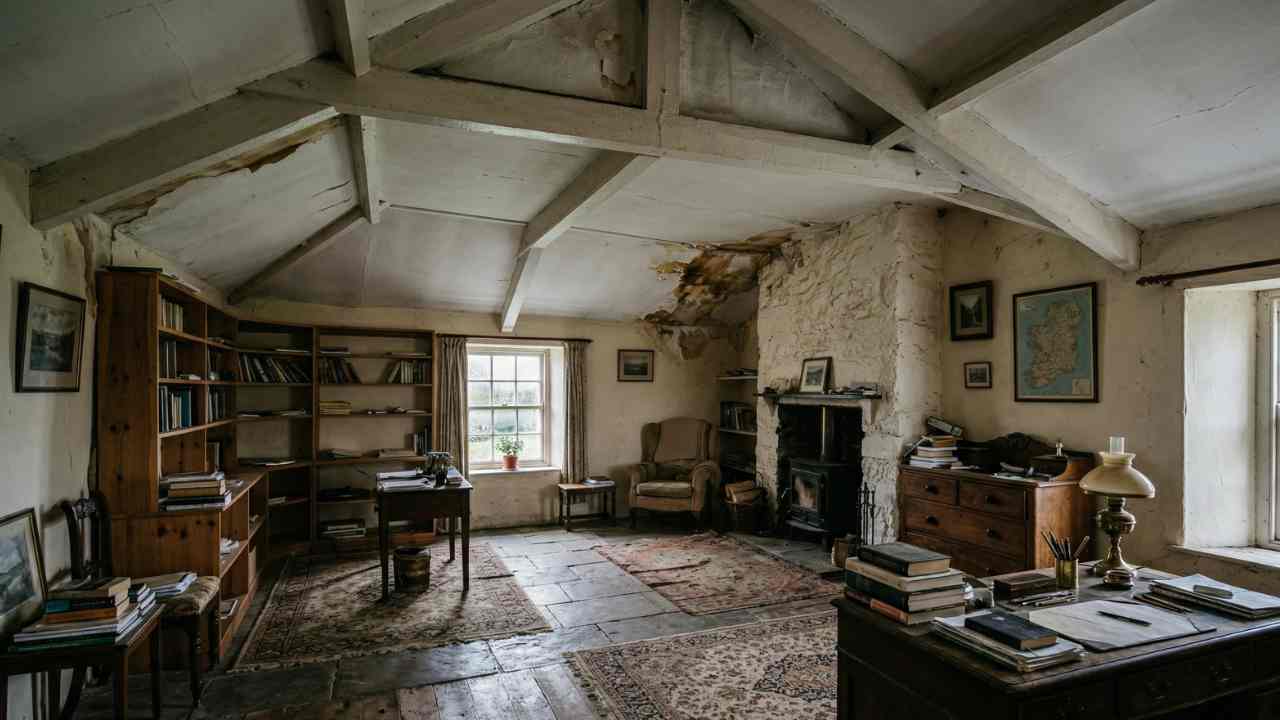
- Water seeps through cracked mortar and runs down the inside of the chimney breast, causing damp patches, staining and peeling paint on interior walls.
- Freeze-thaw cycles widen existing cracks. Water gets in, freezes overnight, expands and pushes the mortar apart further. This is especially common during Irish winters.
- Loose bricks become a safety hazard. In high winds, a deteriorated chimney stack can shed bricks onto the roof or garden below.
- Structural leaning can develop if the mortar binding has eroded on one side more than the other, which may eventually require a partial or full chimney rebuild rather than a simple repoint.
- Damp conditions in the chimney flue encourage mould growth, which affects indoor air quality and can be a health concern for occupants.
The longer you leave it, the more it costs. A straightforward repointing job is far cheaper than having to replace sections of brickwork or deal with interior plastering and redecoration after water damage.
How Can You Spot Chimney Problems Early?
You don’t need to climb onto your roof to check for warning signs. Many chimney issues are visible from the ground or from inside the house.
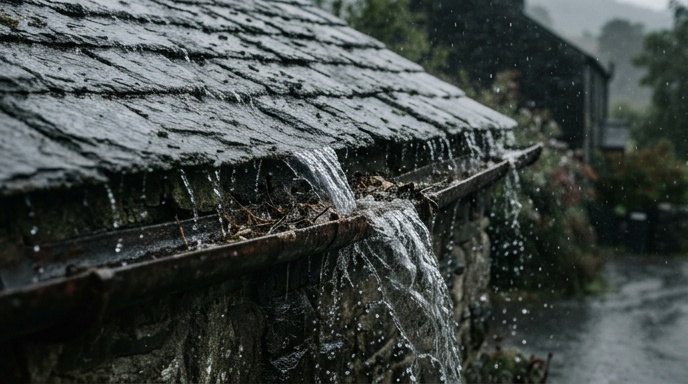
From outside, look up at the chimney stack with binoculars if you have them. White or green staining on the brickwork often signals moisture moving through the mortar. Cracks between bricks, missing chunks of mortar and any visible lean are all red flags. If you notice pieces of mortar or grit in the gutters, that’s a strong sign the pointing is breaking down.
Indoors, pay attention to damp patches or brown stains on the walls near the chimney breast, particularly after heavy rain. A musty smell around the fireplace or in upstairs rooms close to the stack can also indicate moisture getting in.
If your home was built before the 1980s and the chimney hasn’t been repointed since, it’s overdue for an inspection. Irish Building Regulations under Technical Guidance Document J set out requirements for chimneys and flues, and a professional assessment will confirm whether your chimney meets current safety standards.
When Should You Call a Professional Roofer?
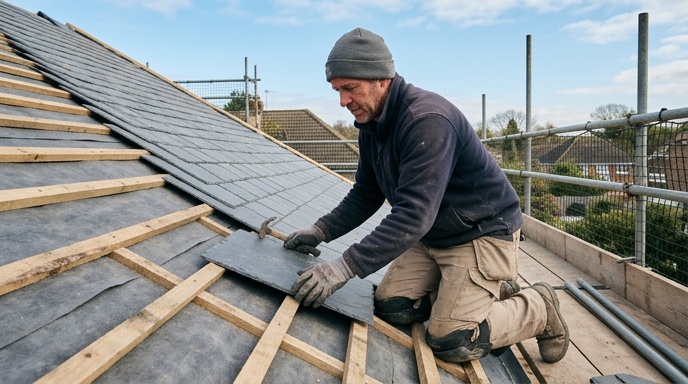
If you can see visible mortar damage, flashing that’s lifted or any signs of damp around the chimney breast, it’s time to get a roofer in. Chimney work at height requires proper scaffolding, safety equipment and experience with the right mortar mixes for different brick types.
When choosing a contractor, look for a company with verified credentials. Guild of Master Craftsmen membership, full insurance and CSCS-certified staff are all good indicators. A reputable roofer will also inspect the full roof area while they’re up there, checking for cracked tiles, lifted ridge caps and gutter issues that might otherwise go unnoticed.
It’s worth scheduling chimney inspections alongside general roof maintenance every few years, rather than waiting for a problem to show up inside the house.
Chimney repairs and repointing aren’t glamorous, but they’re one of the smartest maintenance jobs you can do for an Irish home. A well-maintained stack keeps water out, holds heat in and avoids the kind of damage that leads to much bigger bills down the line. If your chimney hasn’t been checked in a while, get in touch with HP Roofing on 01 453 3366 or request a free quote at hproofing.ie to arrange an inspection.