Skip to content

A porch extension can completely change how your home looks and feels from the street. It adds kerb appeal, gives you somewhere to dump muddy boots, and creates a proper buffer between the Irish weather and your hallway. But getting it wrong can cost you thousands in fixes, delays and headaches.
Most of the problems homeowners run into come down to a handful of avoidable mistakes. Skipping planning permission checks, underestimating how much the roof matters, ignoring drainage, or simply picking the cheapest quote without doing proper homework. These are the six most common errors we see, and every one of them can be sidestepped with a bit of upfront planning.
Whether you’re adding a small front porch to a Dublin semi-d or a larger enclosed porch on a rural bungalow, the principles are the same. Get the groundwork right and the build itself runs far more smoothly.
Mistake #1: Skipping Planning Permission Checks
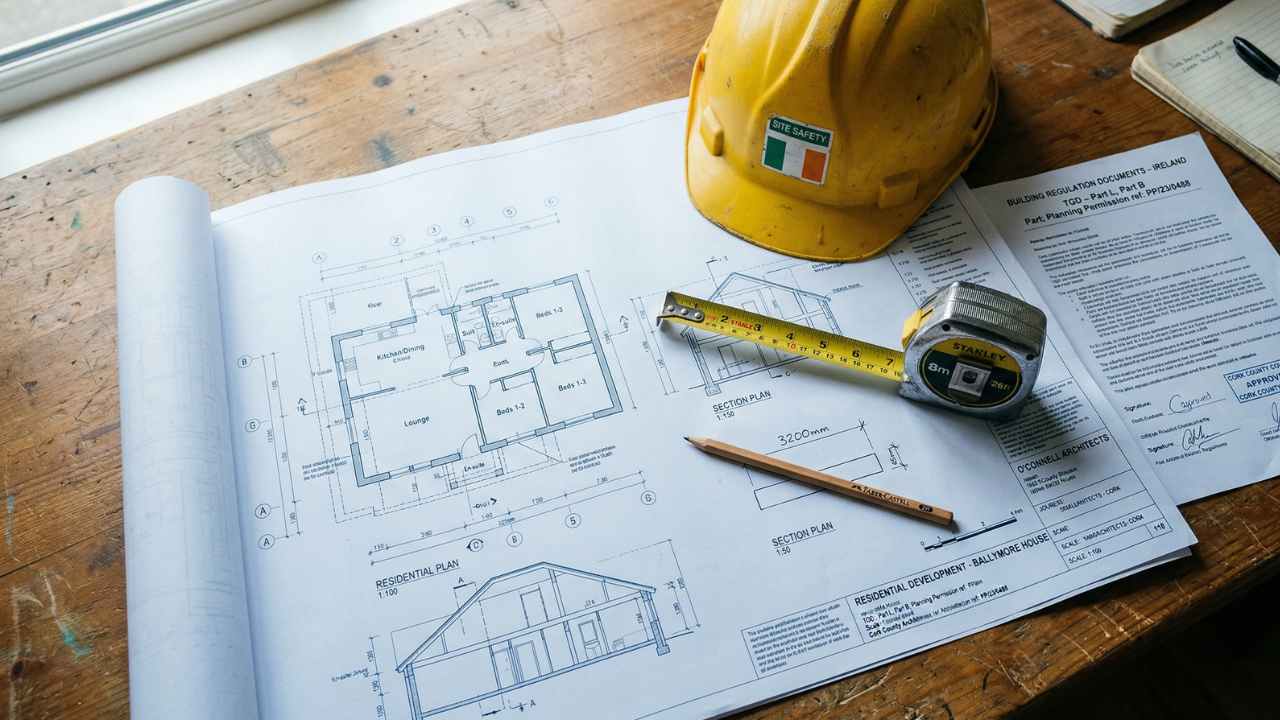
This is by far the most common blunder. Many homeowners assume a porch is too small to need planning permission. In fairness, they’re sometimes right. Under Irish planning law, you can build a porch without permission as long as it doesn’t exceed 2 square metres in area and is set back at least 2 metres from any public road or footpath, which is a requirement that catches a lot of people out.
Height restrictions apply too. If your porch has a tiled or slated pitched roof, it can’t exceed 4 metres. For any other roof type, the limit drops to 3 metres.
Go beyond any of those thresholds and you’ll need full planning permission from your local authority. Building without it is a serious offence that can lead to enforcement notices, fines or even having to tear the structure down. If you’re not sure whether your project qualifies as exempted development, it’s always worth checking with your local planning office before breaking ground.
Mistake #2: Not Thinking About Roof Design Early Enough
Here’s the thing about a porch extension: the roof is arguably the most important part. It’s the first thing people see, and it takes the full force of whatever the Irish weather throws at it. Yet many homeowners leave the roof as an afterthought, focusing instead on floor plans and interior finishes.
You need to decide early on whether you’re going with a pitched roof, a flat roof, or something like a lean-to design. Each has different structural requirements, different costs and different lifespans. A pitched roof built with quality slates or tiles will generally last longer and match most Irish houses better, but it costs more to construct than a flat or fibreglass alternative.
How Does Roof Pitch Affect Performance?
Steeper pitches shed rainwater faster, which matters in a climate where you can get 200+ rain days a year in parts of the west. A low-pitch or flat porch roof needs careful waterproofing to prevent pooling and leaks. Either way, the roof design should be settled before any foundations are poured.
Mistake #3: Ignoring Drainage and Waterproofing
Water damage is the silent killer of porch extensions. If drainage isn’t planned properly from the start, you end up with water pooling at the junction between the porch and the main house, damp creeping into walls, or gutters overflowing during heavy rain.
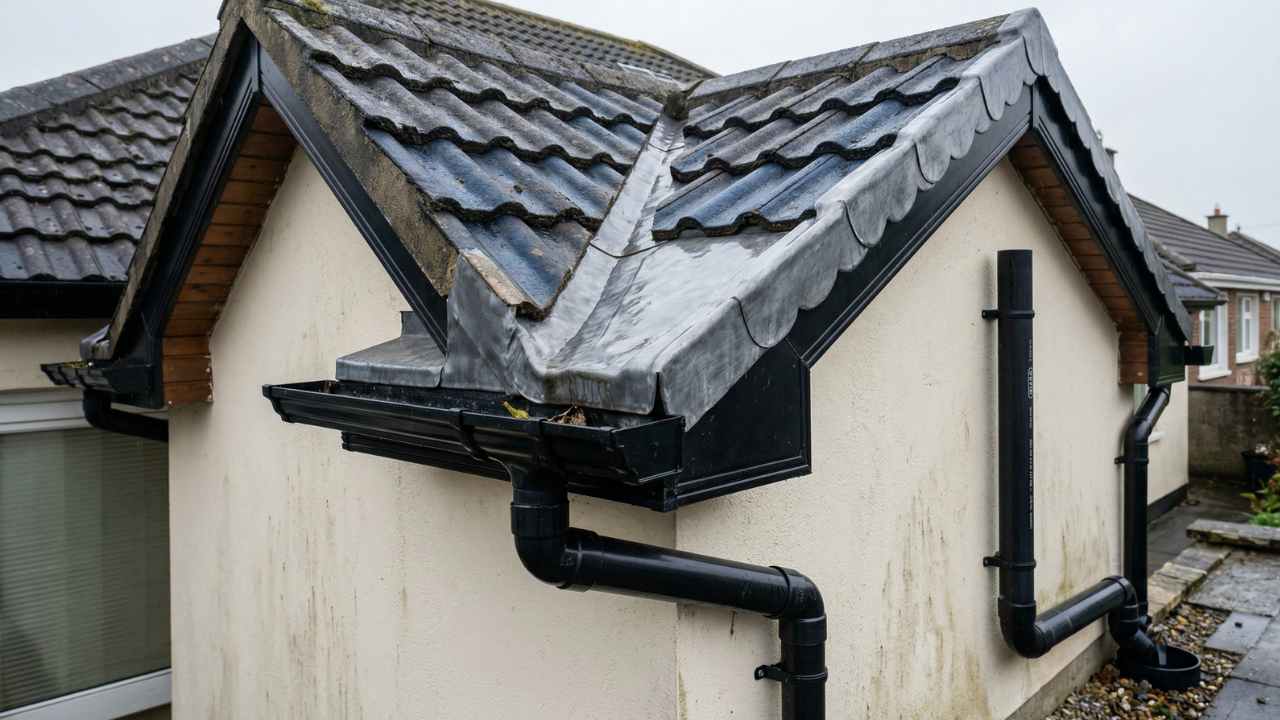
Proper lead flashing where the porch roof meets the existing wall is non-negotiable. Gutters and downpipes need to be sized for the porch roof area, and the whole setup should tie into your existing drainage system without overloading it. Skimping here might save a few hundred euro upfront, but you’ll pay for it many times over when damp starts showing up inside.
In older Dublin estates especially, existing drainage can already be close to capacity. Adding a porch roof without accounting for the extra runoff is asking for trouble.
Mistake #4: Choosing Materials That Clash With Your House
A porch extension should look like it was always part of the house. But we’ve all seen porches that stick out like a sore thumb because the brick colour doesn’t match, the roof tiles are a different profile, or the window frames are a completely different style.
Getting materials right means thinking about the brick or render finish, the roof covering, the fascia and soffit colour, and the window and door style. If your house has natural slate, putting cheap concrete tiles on the porch will look obviously wrong. Similarly, a modern aluminium-framed porch on a 1970s redbrick semi-d rarely works well.
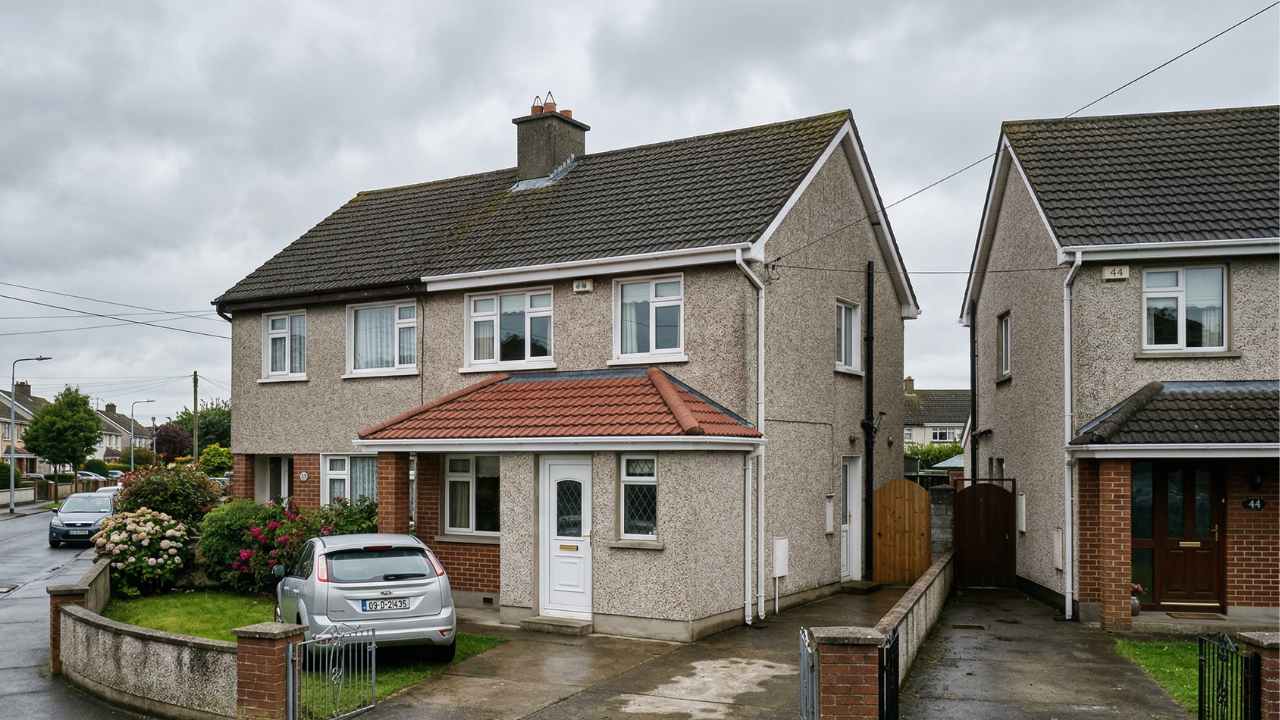
Take the time to source materials that match or complement what’s already there. Your roofing contractor should be able to advise on this, and a good one will bring samples to compare against your existing roofing materials before anything is ordered.
Mistake #5: Forgetting About Ventilation and Insulation
An enclosed porch that isn’t properly ventilated turns into a condensation box during the colder months. You’ll see moisture running down windows, mould forming in corners, and a general damp smell that seeps into the rest of the house.
- Make sure there’s adequate airflow, whether that’s through trickle vents in windows, a small vent in the roof, or simply a design that allows air to circulate.
- If you’re planning to use the porch as a sitting area or utility space, insulation becomes just as important. A cold, uninsulated porch is useable for maybe half the year.
- Check that any insulation used complies with current Irish building regulations for thermal performance.
- Consider the porch orientation. South-facing porches can overheat in summer without proper ventilation.
Getting these details right from the design stage is far easier than retrofitting solutions after the build is complete.
Mistake #6: Hiring Based on Price Alone
Everyone wants value for money, and that’s fair enough. But the cheapest quote for a porch extension is rarely the best one. Low prices often mean corners being cut on materials, waterproofing, or structural work that you won’t notice until problems appear a year or two down the line.
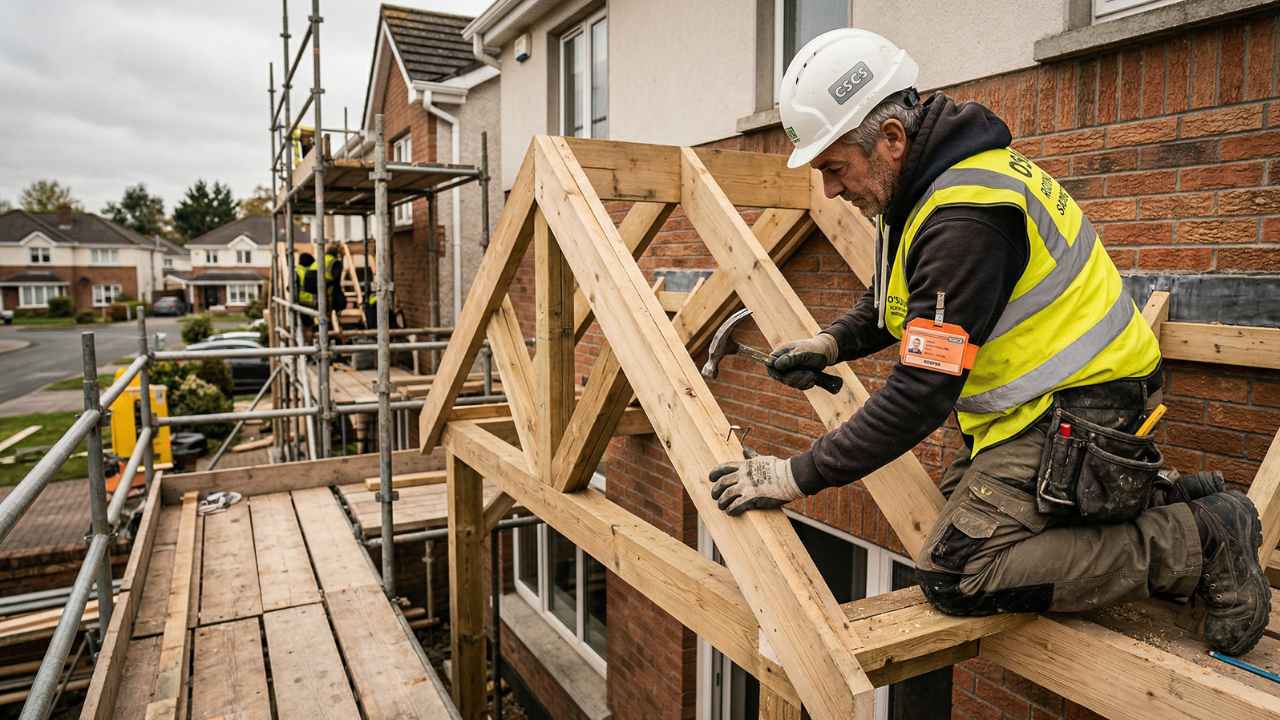
Look for a contractor who is fully insured, has CSCS-certified staff, and can show you completed projects similar to yours. Membership of a recognised body like the National Guild of Master Craftsmen is a solid indicator of quality. It’s also worth following a proper vetting process before signing anything, including checking references and viewing past work in person where possible.
A reputable builder will also handle permits, building regulation compliance, and drainage design as part of the project. If a contractor can’t explain how they’ll deal with any of those, that tells you something.
Get Your Porch Extension Right From Day One
A porch extension is one of those projects where a bit of planning goes a very long way. Avoid these six mistakes and you’ll end up with a porch that adds real value to your home, looks the part, and lasts for decades without giving you grief.
If you’re thinking about a porch extension in Dublin or across Leinster, HP Roofing has been building and roofing them for over 55 years. Call 01 453 3366 or fill in the contact form at hproofing.ie to get a free quote and honest advice on your project.